Success Story: County Public Works Leads Partners in Turning Runoff into a Resource
During Fiscal Year 2024–2025, communities across San Bernardino County demonstrated how innovative stormwater projects can transform rainfall into a valuable local resource while enhancing everyday spaces. Following a season of above-average precipitation, regional partners in the San Bernardino County Areawide Stormwater Program captured and stored many thousands of acre-feet of water in recharge basins and spreading grounds, including stormwater and runoff, recycled water, and imported water.
As of 2025, data shows that the San Bernardino and Yucaipa basins are at over 80% full, an achievement driven by high levels of rain and snowmelt, as well as efficient water capture and storage efforts by program partners. Groundwater recharging plays a critical role in maintaining groundwater supplies and supporting a sustainable water future for nearly one million residents in San Bernardino and Riverside counties.
Cities across the region have complemented these efforts with projects that integrate water stewardship into development and community amenities. In Ontario, new office and industrial sites incorporated permeable surfaces, landscaped swales, and underground systems that capture stormwater onsite while improving aesthetics and reducing pollutants. Fontana advanced similar goals through a redevelopment project that upgraded an underground infiltration system and added filtration technology to protect groundwater quality.
Meanwhile, Montclair’s Sunset Park Beautification Project illustrates how recreation and sustainability can work hand in hand, featuring rain gardens, permeable parking areas, recycled-water irrigation, and drought-tolerant landscaping that capture stormwater while creating an inviting public gathering space.
Together, these projects highlight a shared regional commitment to turning stormwater challenges into opportunities, strengthening water reliability, protecting local aquifers, and building healthier, more resilient communities.

Green Innovation
SAN BERNARDINO COUNTY LEADS IN SOLAR CAPACITY; ENERGY CONSUMPTION INCREASED
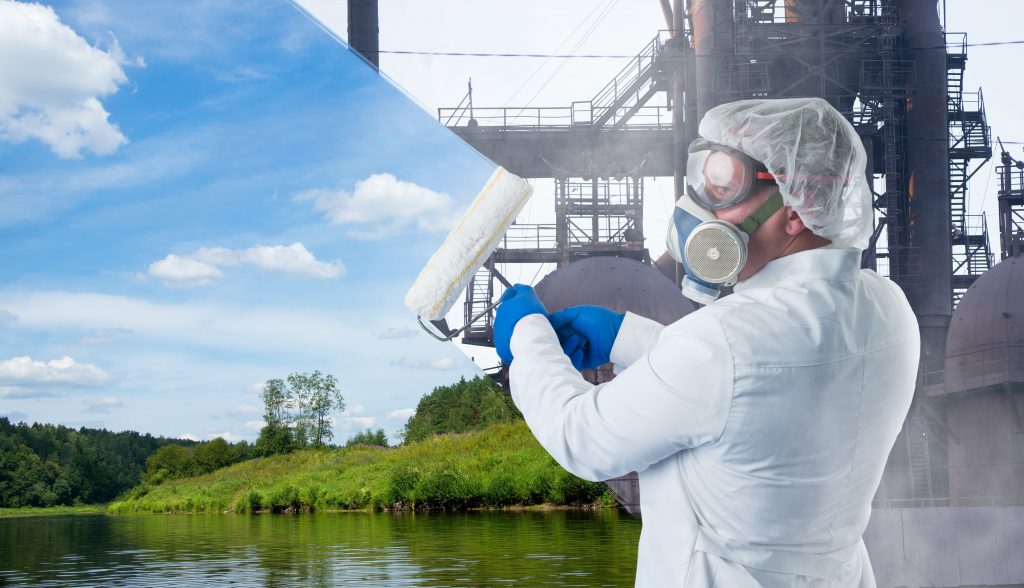
Air Quality
SAN BERNARDINO COUNTY SEES GRADUAL AIR QUALITY IMPROVEMENT OVER PAST 10 YEARS
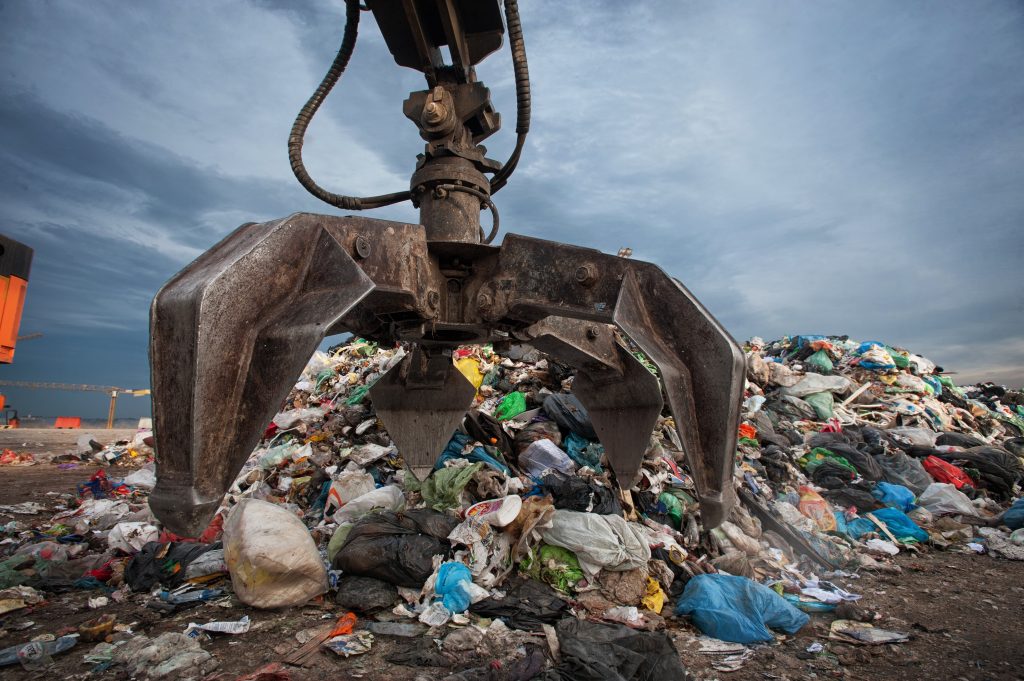
Solid Waste and Hazardous Waste
SOLID WASTE DISPOSAL DIPS SLIGHTLY; HOUSEHOLD HAZARDOUS WASTE DISPOSAL PARTICIPATION INCREASES
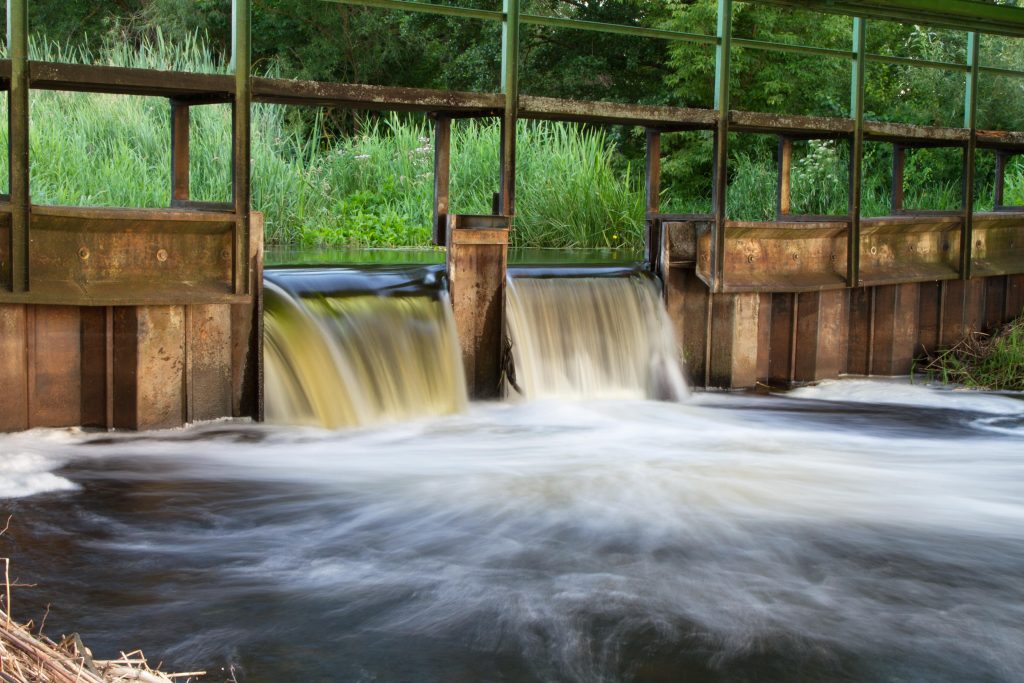
Stormwater Quality
COMMERCIAL, CONSTRUCTION, AND INDUSTRIAL FACILITIES SHOWED INCREASED COMPLIANCE
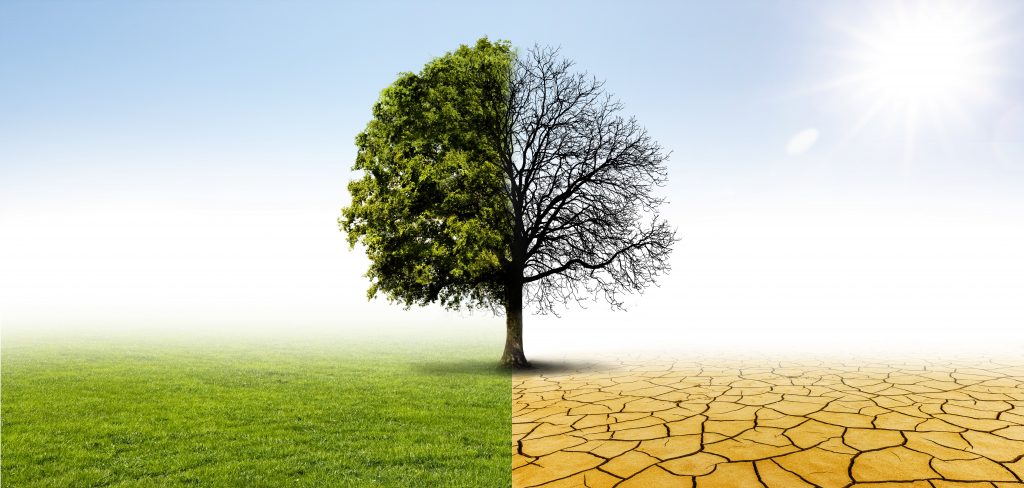
Water Consumption
JULY 2025 COUNTYWIDE PER CAPITA WATER CONSUMPTION STEADY AT 124 GALLONS PER DAY